Estate Landscape Maintenance Checklist for Vancouver Properties
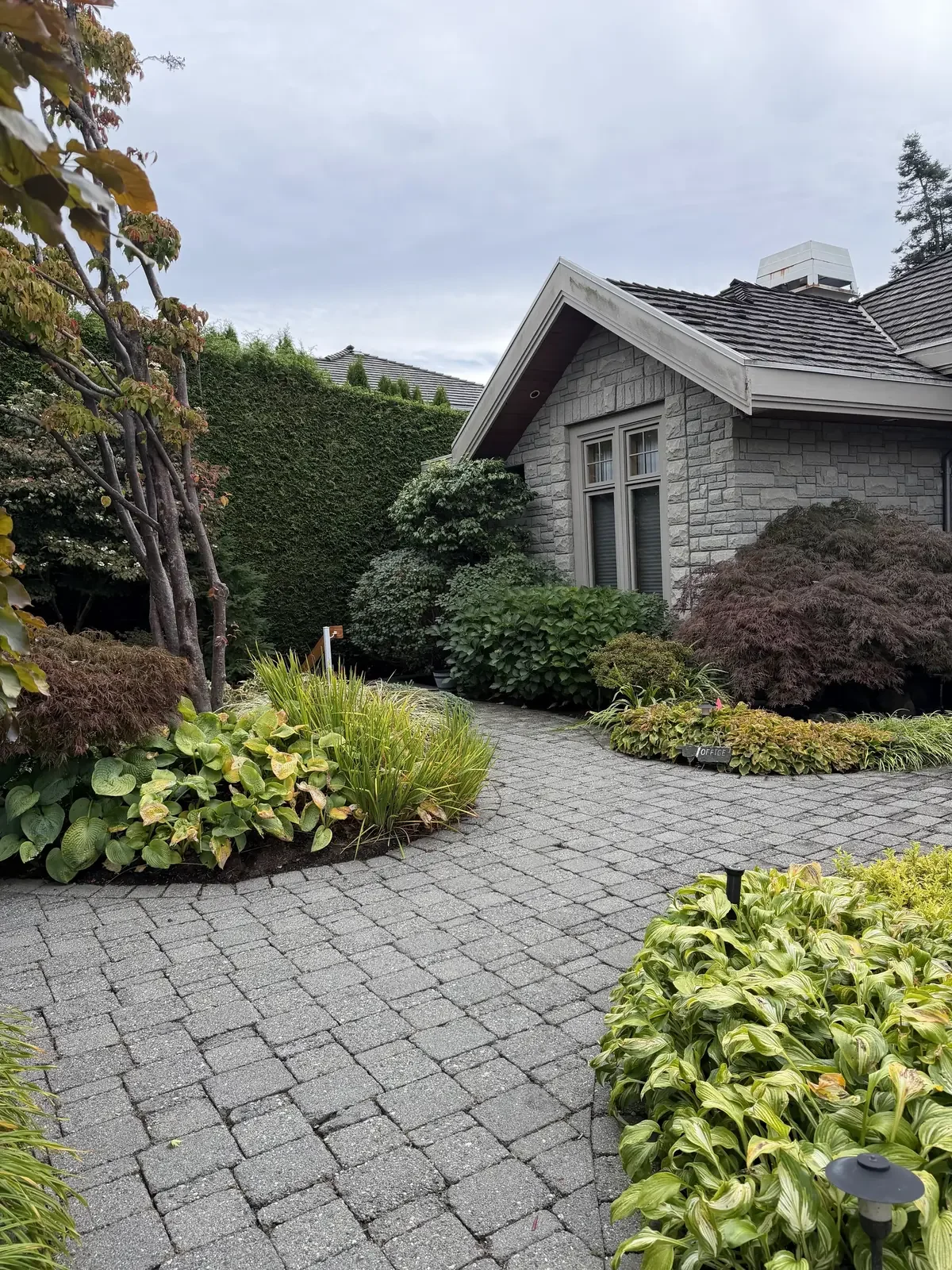
A high-value landscape needs more than occasional mowing and cleanup. Lawns, ornamental trees, shrubs, planting beds, pathways, water features, and outdoor living spaces all change throughout the year.
A structured estate landscape maintenance plan helps protect the property's appearance, plant health, and long-term value. It also reduces the need for homeowners or property managers to coordinate every task individually.
What Is Estate Landscape Maintenance?
Estate landscape maintenance is coordinated, ongoing care for properties with multiple landscape elements and a high standard of presentation.
It may include:
Lawn mowing, trimming, and edging
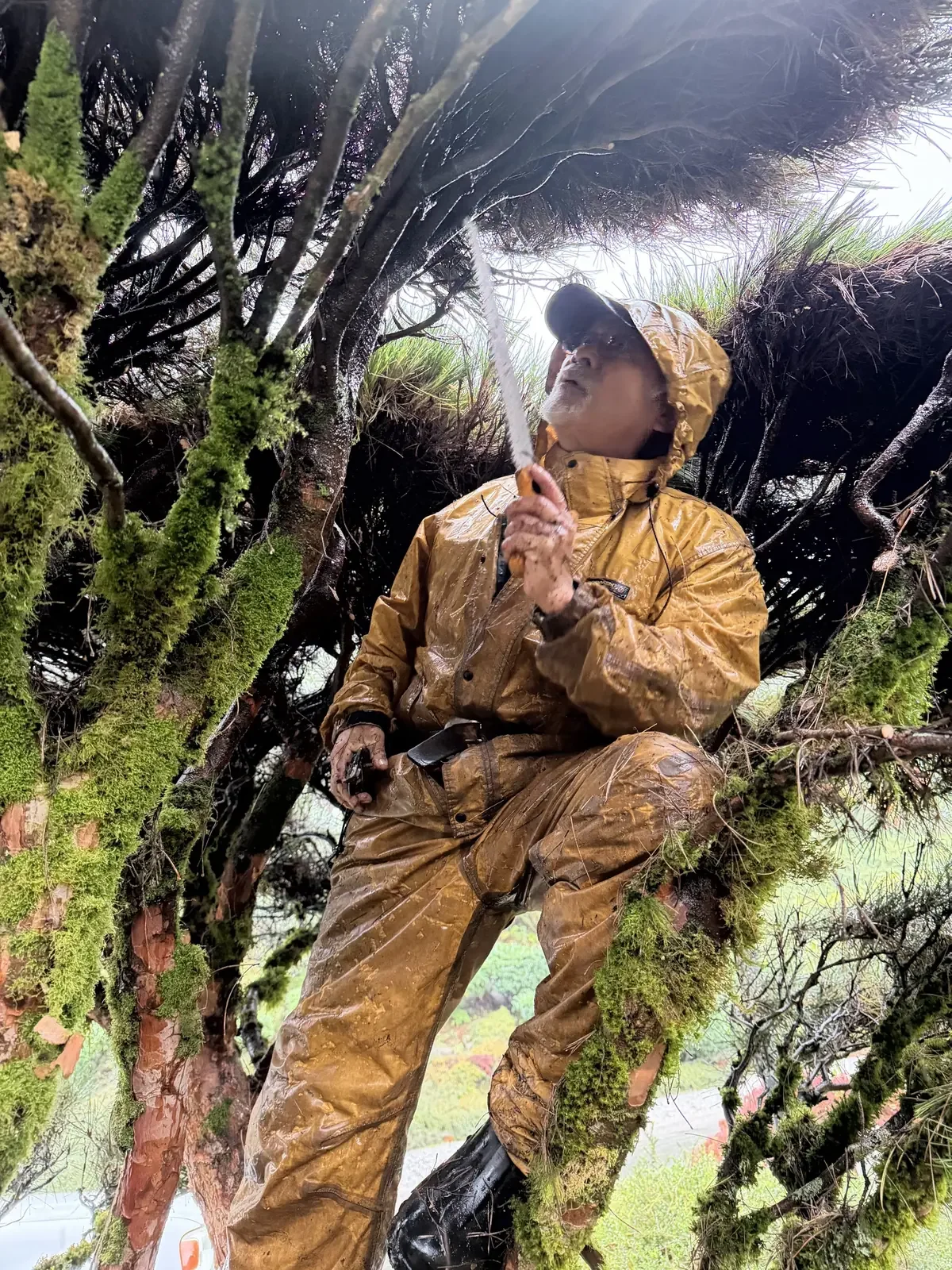
Ornamental tree and shrub pruning
Hedge shaping
Garden bed care and weeding
Soil and mulch management
Seasonal cleanup
Irrigation monitoring
Plant health observations
Water feature and pathway checks
Recommendations for repairs or future improvements
Unlike one-off garden cleanup, a maintenance plan considers how the entire property should look and perform throughout the year.
Estate Maintenance Frequency Guide
| Maintenance Area | Typical Frequency | Primary Goal |
|---|---|---|
| Lawn Care | Weekly or biweekly during active growth | Maintain height, edges, colour, and an even presentation |
| Garden Beds | Regular visits with seasonal renewal | Control weeds, protect soil, and maintain definition |
| Shrubs and Hedges | Seasonal or as growth requires | Preserve form, light, airflow, and healthy growth |
| Ornamental Trees | Scheduled by species and condition | Improve structure while preserving natural character |
| Property Review | During each scheduled visit | Identify emerging issues before they become larger problems |
The right frequency depends on property size, garden complexity, season, and the expected presentation standard.
1. Review the Entire Property
Begin with a full property review rather than treating each task separately. Look at lawns, beds, trees, shrubs, pathways, drainage, irrigation, lighting, water features, and high-use areas.
Ask:
Are plants blocking paths, windows, or important views?
Are lawn edges clean and consistent?
Is water collecting where it should not?
Are weeds or invasive plants spreading?
Are shrubs becoming dense or losing shape?
Are pathways slippery, stained, or obstructed?
Does the garden still reflect its original design?
A professional landscape maintenance plan in Vancouver should respond to the property as a whole.
2. Maintain Lawn Health and Presentation
Estate lawn care involves more than cutting grass. Regular mowing should be coordinated with edging, trimming, moisture conditions, seasonal growth, and the way the lawn connects to paths and planting beds.
The checklist should include:
Appropriate mowing frequency
Clean edging around beds and hard surfaces
Monitoring thin, compacted, or damaged areas
Irrigation observations
Leaf and debris removal
Seasonal recommendations
Robotic equipment may support efficiency on suitable properties, but professional oversight remains important for edges, obstacles, changing conditions, and the wider landscape.
3. Care for Garden Beds
Garden beds should look intentional rather than simply weed-free. Maintenance may include removing unwanted growth, redefining edges, managing mulch, monitoring plant health, and preventing vigorous plants from overwhelming slower-growing specimens.
Mulch can conserve moisture and suppress weeds, but it should not be piled against trunks or plant stems. It should support the garden rather than bury its structure.
4. Schedule Tree, Shrub, and Hedge Pruning
Pruning should follow plant biology and design intent. Shearing every shrub into the same shape can remove character and create dense exterior growth.
Detailed tree pruning and shrub trimming can help:
Improve light and airflow
Remove crossing or damaged branches
Preserve views and access
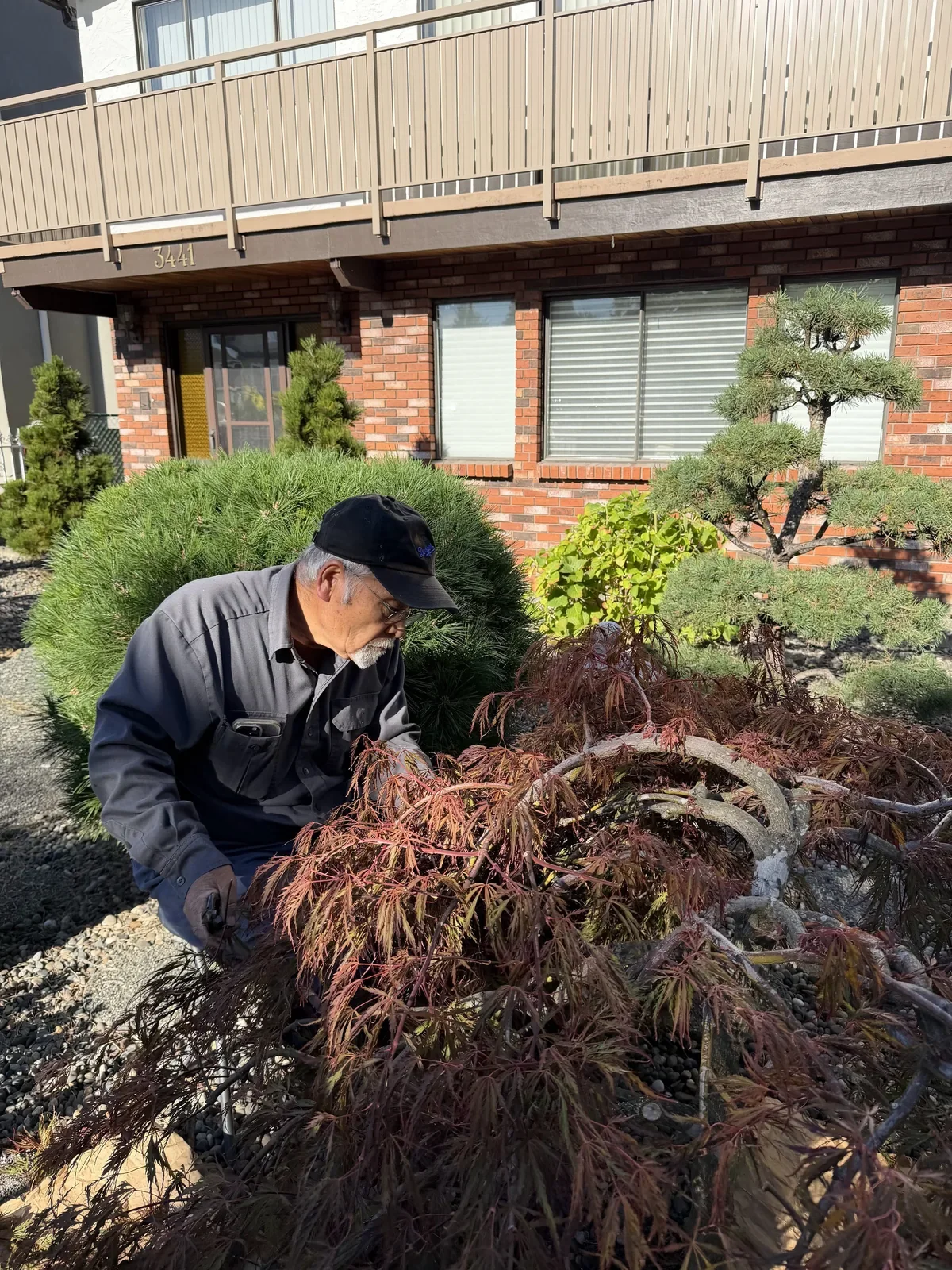
Maintain Japanese maples and feature trees
Refine hedges without overcutting
Protect the intended structure of the landscape
5. Protect Japanese Garden Elements
Japanese gardens may include stone, gravel, moss, water basins, lanterns, bonsai, maples, sculptural shrubs, and carefully framed views.
Maintenance should preserve restraint. Tasks may include selective pruning, leaf removal, gravel care, moss protection, water feature cleaning, and checking that plants do not obscure important stones or pathways.
For new or changing spaces, professional landscape design in Vancouver can help align future improvements with the existing garden.
6. Monitor Irrigation and Drainage
Vancouver receives significant rainfall, but summer conditions can still create moisture stress. Irrigation should respond to actual site conditions rather than running on the same schedule throughout the year.
Check for:
Broken or blocked emitters
Overspray onto paths and structures
Water pooling
Dry areas beneath dense trees
Plants receiving too much water
Seasonal timer settings
Drainage concerns should be addressed early, especially around slopes, retaining areas, paths, and building foundations.
7. Plan Seasonal Cleanup Before It Is Urgent
Seasonal cleanup should be scheduled before leaves, debris, weeds, or overgrowth begin affecting presentation and plant health.
Spring priorities often include bed cleanup, mulch review, weed control, and plant health checks. Autumn priorities may include leaf removal, drainage checks, gravel cleaning, and preparation for wet weather.
8. Keep a Maintenance Record
For large or complex properties, record what was completed, what needs monitoring, and what should be planned next.
A simple maintenance record can track:
Pruning dates
Plant health concerns
Irrigation changes
Lawn issues
Seasonal work
Recommended repairs
Future design improvements
This creates continuity and makes it easier to care for the landscape over several seasons.
Build a Maintenance Plan Around Your Property
The best estate landscape maintenance plan is proactive, consistent, and tailored to the garden. It should protect the landscape while reducing the amount of day-to-day coordination required from the homeowner.
Okada Earthscape provides estate landscape maintenance, estate lawn care, pruning, Japanese garden care, and seasonal service across Greater Vancouver. Explore our landscape maintenance services or request a consultation.
Care for Your Established Garden
Plan ongoing care for your lawns, planting beds, trees and shrubs with Okada Earthscape. Tell us about your property and seasonal priorities.