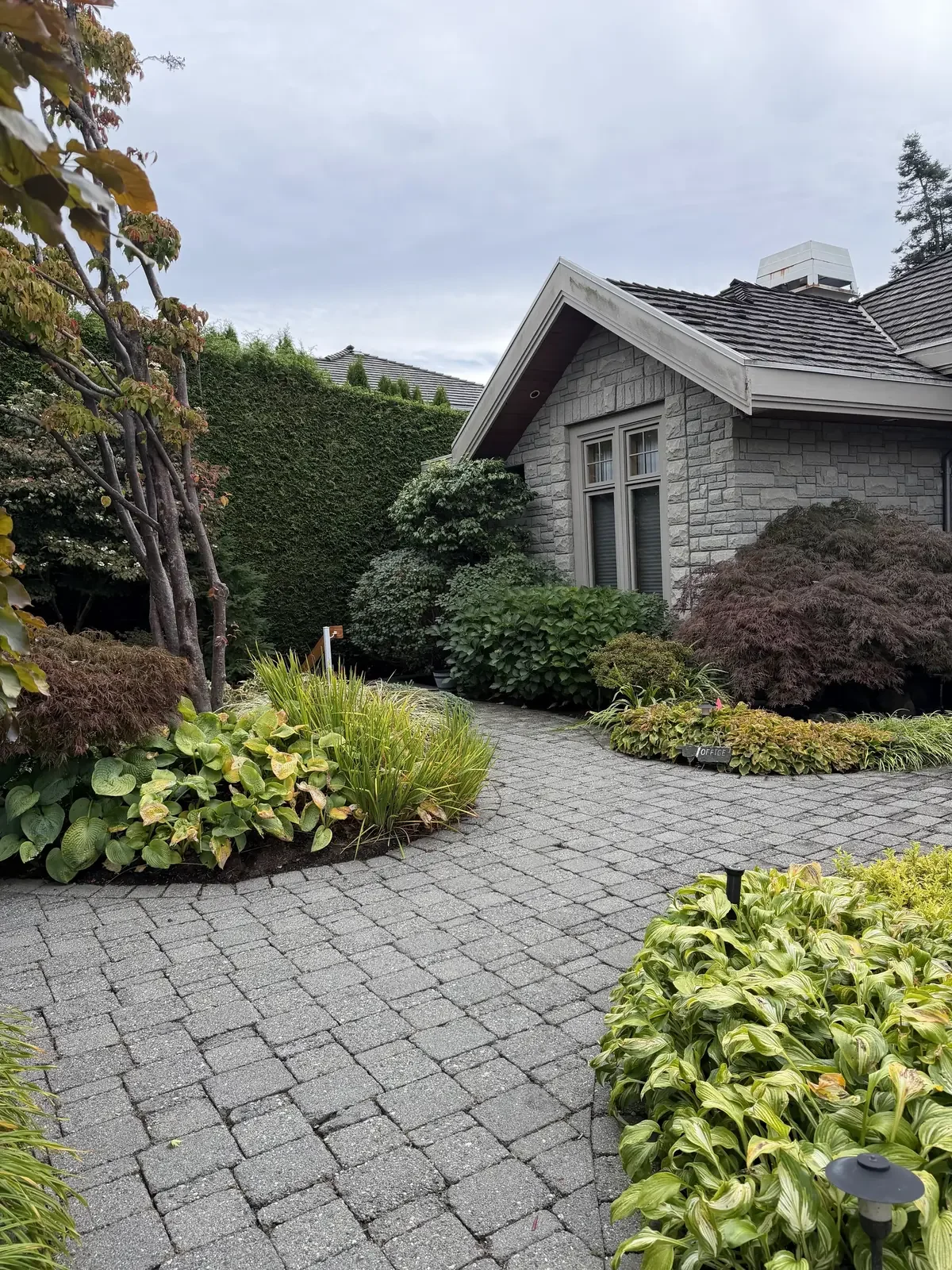
Low Maintenance Japanese Garden Design: Elegance Made Easy
A Japanese garden does not need to demand hours of weekly care. With thoughtful planning, restrained planting, and durable materials, you can create a peaceful outdoor space that remains refined throughout the seasons.
Low maintenance Japanese garden design focuses on simplicity, balance, and intentional choices. The goal is not to eliminate maintenance completely, but to create a garden that requires less frequent intervention while becoming more beautiful as it matures.
What Makes a Japanese Garden Low Maintenance?
A low maintenance garden begins with a strong structure. Instead of filling every area with plants, Japanese garden design uses open space, stone, carefully selected trees, and restrained planting to create visual balance.
This approach naturally reduces:
Weeding
Watering
Seasonal replanting
Lawn mowing
Frequent hedge trimming
Plant replacement
General garden cleanup
Working with experienced Japanese garden designers can help ensure that the garden remains practical while preserving its character.
| Design Element | Main Benefit | Maintenance Required |
|---|---|---|
| Natural Stone | Creates permanent structure and a strong focal point. | Occasional cleaning. |
| Gravel | Creates open space and supports drainage. | Light raking and weed control. |
| Evergreen Shrubs | Provide year-round colour and structure. | Selective seasonal pruning. |
| Japanese Maples | Add sculptural form and seasonal interest. | Careful structural pruning. |
| Stepping Stones | Guide movement and create visual rhythm. | Occasional cleaning and levelling. |
| Mulch | Suppresses weeds and protects soil moisture. | Seasonal replenishment. |
| Water Basin | Adds reflection and tranquillity without a large pond. | Periodic cleaning. |
The right combination depends on your property, light, drainage, and preferred level of upkeep.
1. Begin With a Simple Layout
Simplicity is one of the most important principles in Japanese garden design. Avoid filling the garden with too many plants, ornaments, colours, or materials.
Start by identifying a few key areas:
A focal point
A pathway
A quiet viewing area
Structural planting
Open or negative space
A clear layout makes the garden easier to maintain and more relaxing to experience. Okada Earthscape’s landscape design services in Vancouver can help you develop a plan that responds to your property, architecture, and maintenance preferences.
2. Use Stone as Permanent Structure
Stone creates visual weight and permanence without requiring ongoing care. A carefully positioned boulder, stepping-stone path, or gravel area can remain part of the garden for decades.
Stone can be used for:
Pathways
Dry stream beds
Garden borders
Seating areas
Focal points
Water basins
Retaining features
Choose a limited selection of natural stone so the finished landscape feels cohesive rather than busy.
3. Select Fewer Plant Varieties
Using fewer plant varieties makes the garden easier to understand and maintain. Repeating compatible plants also creates a calm visual rhythm.
Suitable choices may include:
Japanese maples
Dwarf conifers
Ferns
Moss
Hakone grass
Azaleas
Rhododendrons
Compact evergreen shrubs
Native groundcovers
Plant selection should consider Vancouver’s rainfall, soil, shade, drainage, and seasonal conditions. The right plant in the right location will generally require less watering, pruning, and replacement.
4. Replace High-Maintenance Lawn Areas
A large lawn can require regular mowing, edging, watering, feeding, and weed management. Reducing lawn space is one of the most effective ways to lower garden maintenance.
Possible alternatives include:
Gravel
Groundcover
Mulch
Moss
Stepping stones
Dry garden areas
Shade-tolerant planting
If you want to retain part of the lawn, keep its shape simple so it is easier to mow and edge. Professional landscape maintenance in Vancouver can also help keep lawns and surrounding garden areas consistently refined.
5. Consider a Dry Japanese Garden
A dry garden uses gravel, stone, moss, and restrained planting to suggest natural landscapes and movement. It can offer the tranquillity of a water feature without pumps, filters, or ongoing water treatment.
Dry gardens still require occasional care. Gravel may need raking, fallen leaves should be removed, and weeds need to be controlled. However, maintenance is generally predictable and manageable.
6. Keep Water Features Simple
Water can bring sound, reflection, and movement into the garden, but complex ponds may require significant maintenance.
Lower-maintenance options include:
A stone water basin
A bamboo fountain
A small recirculating feature
A shallow reflective bowl
A dry stream bed
Position water features away from heavy leaf fall where possible. Easy access to the pump and basin will also make cleaning simpler.
7. Plan for Mature Plant Size
Crowded planting often leads to more pruning, plant stress, and eventual removal. Before planting, consider how wide and tall each plant may become.
Give trees and shrubs enough room to develop their natural form. This supports plant health and reduces the need for constant trimming.
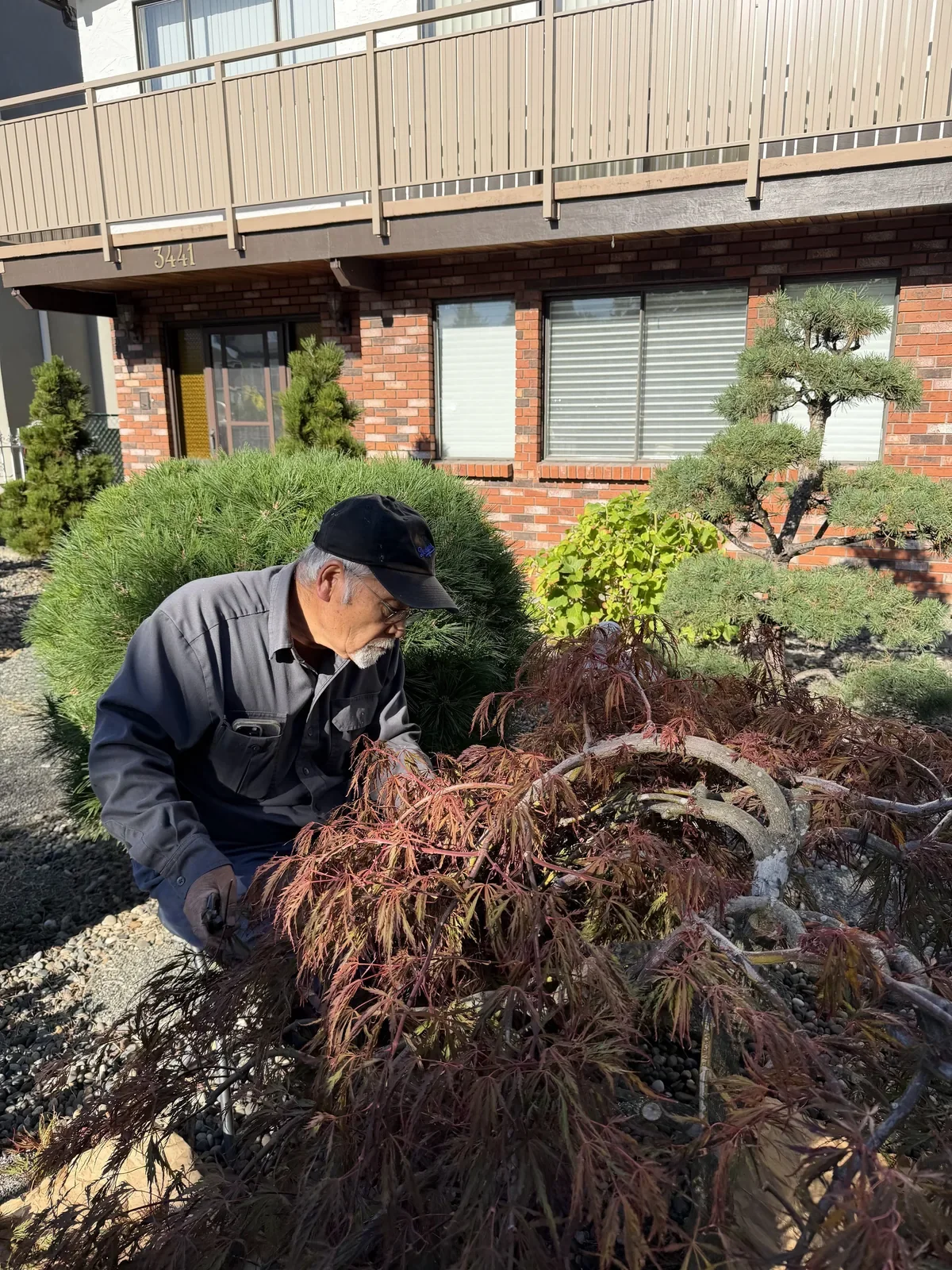
When pruning is required, a careful tree pruning service can preserve the plant’s structure without making it look rigid or overcut.
8. Use Mulch for Soil and Weed Control
Mulch can reduce weeds, conserve moisture, protect roots, and create a clean visual background for plants and stone.
The material should complement the garden rather than dominate it. Dark, natural-looking mulch can help evergreen plants, ornamental grasses, and feature stones stand out.
Avoid placing mulch directly against tree trunks or plant stems. It should be spread evenly while leaving breathing space around the base of each plant.
9. Design for Seasonal Maintenance
Even a low maintenance Japanese garden needs occasional care. Planning for seasonal tasks makes the workload more manageable.
A recurring maintenance plan can prevent small issues from becoming expensive or time-consuming problems.
| Season | Recommended Maintenance | Primary Goal |
|---|---|---|
| Spring | Remove winter debris, inspect plant health, refresh mulch, control early weeds, and complete selective pruning. | Prepare for healthy growth |
| Summer | Monitor watering, remove weeds, clean pathways, lightly trim vigorous growth, and inspect water features. | Maintain balance and moisture |
| Autumn | Remove fallen leaves, clear gravel and pathways, tidy planting beds, and prepare sensitive plants for colder weather. | Protect the garden for winter |
| Winter | Review the garden’s structure, monitor storm damage, plan improvements, and prune suitable dormant trees and shrubs. | Preserve structure and plan ahead |
Consistent seasonal care prevents small garden issues from becoming costly or time-consuming problems.
Is a Low Maintenance Japanese Garden Completely Maintenance-Free?
No living garden is completely maintenance-free. Plants grow, leaves fall, weeds appear, and materials weather over time.
The purpose of low maintenance Japanese garden design is to make that care more intentional and less demanding. A well-designed garden should not require constant correction. Its structure should remain clear, and its plants should be selected to suit the conditions.
Create a Japanese Garden That Is Easier to Enjoy
A low maintenance Japanese garden offers a quieter approach to outdoor living. Through thoughtful planting, natural stone, open space, and carefully chosen features, the garden can feel refined without becoming difficult to manage.
Okada Earthscape creates Japanese-inspired landscapes for homes and estates across Vancouver and the Lower Mainland. Explore our landscape design services or book a consultation to begin planning your garden.
Create a Beautiful Garden With Less Upkeep
Work with Okada Earthscape to design a calm, refined outdoor space suited to your property and lifestyle.