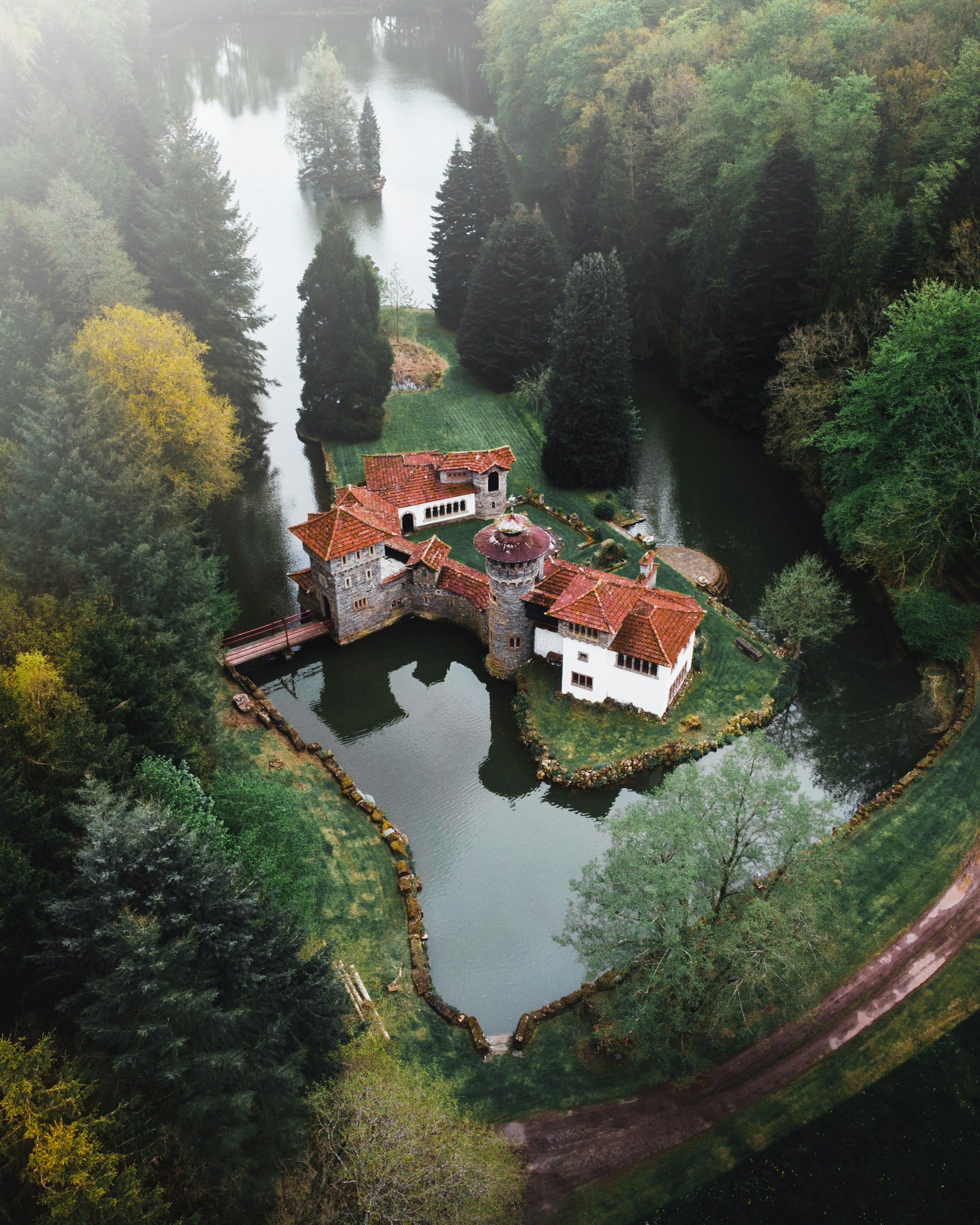
Private estate gardening jobs offer a unique blend of traditional horticulture, landscape aesthetics, and specialized property care. Working on a private estate—be it a heritage property, modern architectural residence, or multi-acre estate—requires a refined approach to garden maintenance and a high degree of trust, skill, and professionalism.
These roles appeal to gardeners and horticulturalists who take pride in craftsmanship and long-term site stewardship. In this post, we’ll explore what private estate gardening involves, the various positions available, the skills and training needed, and the work environment you can expect.
Private estate gardening refers to the management and upkeep of high-end residential landscapes, often involving a diverse mix of ornamental gardens, naturalized plantings, manicured lawns, food gardens, woodland paths, water features, and sometimes equestrian or agricultural areas.
What sets this work apart from commercial landscaping is the level of detail, personalization, and long-term care required. Many estate gardens are designed by renowned landscape architects and require ongoing attention to preserve their vision. Gardeners may work closely with owners, property managers, or landscape designers to execute this vision with precision and professionalism.
Typical Job Structure on a Private Estate
Private estate gardening teams vary in size and structure depending on the scope of the property. Here's a breakdown of the most common roles:
Head Gardener / Estate Horticulturist
The lead position responsible for overseeing all horticultural operations. Duties include:
Long-term planting plans
Staff supervision and scheduling
Sourcing plants and materials
Liaising with the property owner or estate manager
Monitoring plant health and seasonal transitions
A head gardener often has formal training in horticulture or landscape design and brings several years of practical experience.
Skilled Gardener / Assistant Gardener
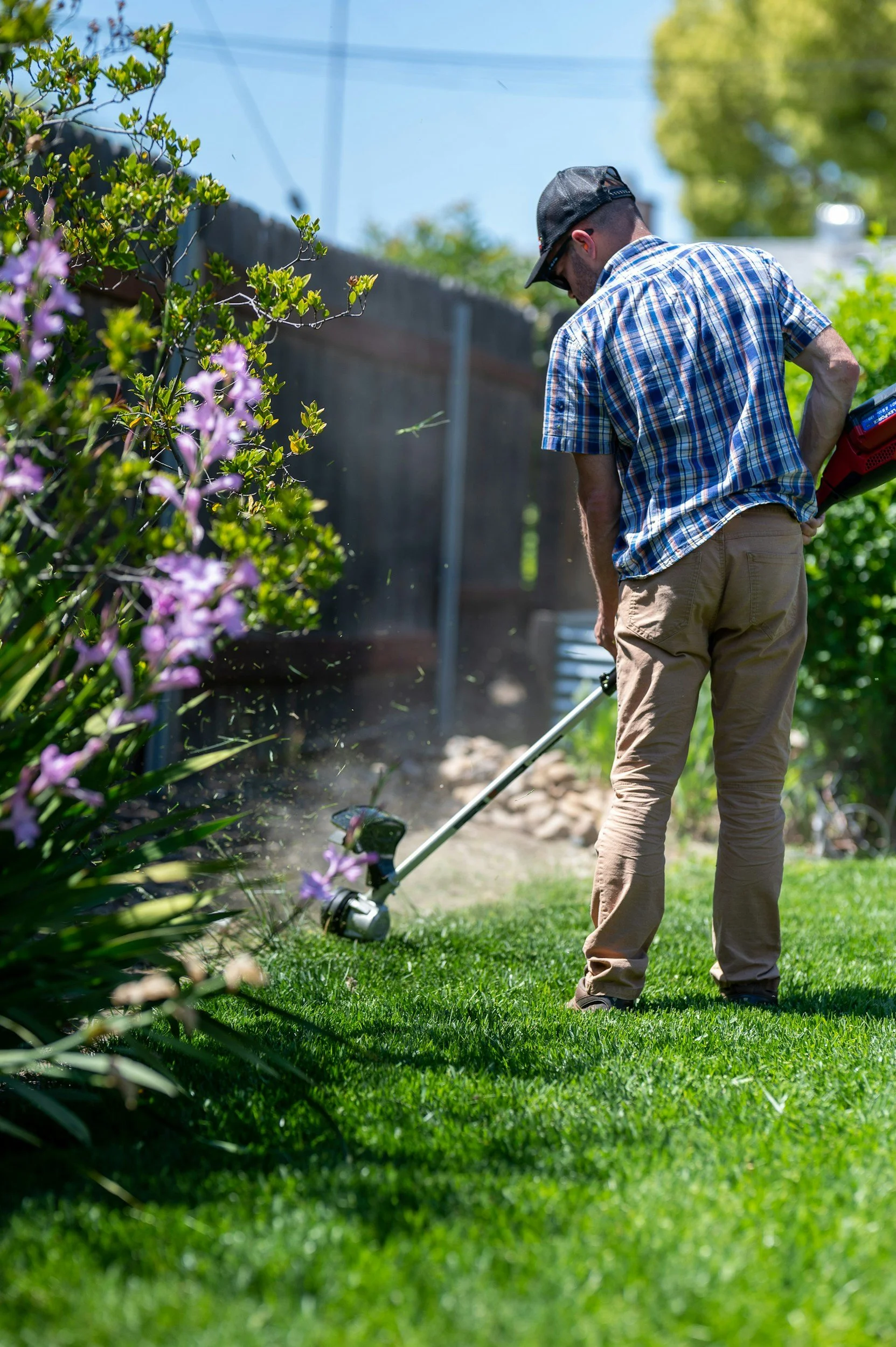
These gardeners carry out hands-on tasks such as:
Weeding, deadheading, edging, and bed maintenance
Seasonal planting and pruning
Lawn care, including mowing, edging, dethatching, and aeration
Mulching and composting
Irrigation management and adjustments
They must have a strong plant knowledge base and attention to detail, especially in estates with themed or heritage gardens.
Groundskeeper / Maintenance Technician
While some overlap with gardening roles, groundskeepers focus more on:
Hardscape cleaning and repairs (paths, patios, retaining walls)
Water feature maintenance
Tree limb clearing, storm cleanup
Equipment upkeep (mowers, trimmers, chainsaws)
Lighting and irrigation systems
On large properties, these technicians are essential to keeping infrastructure safe and visually cohesive.
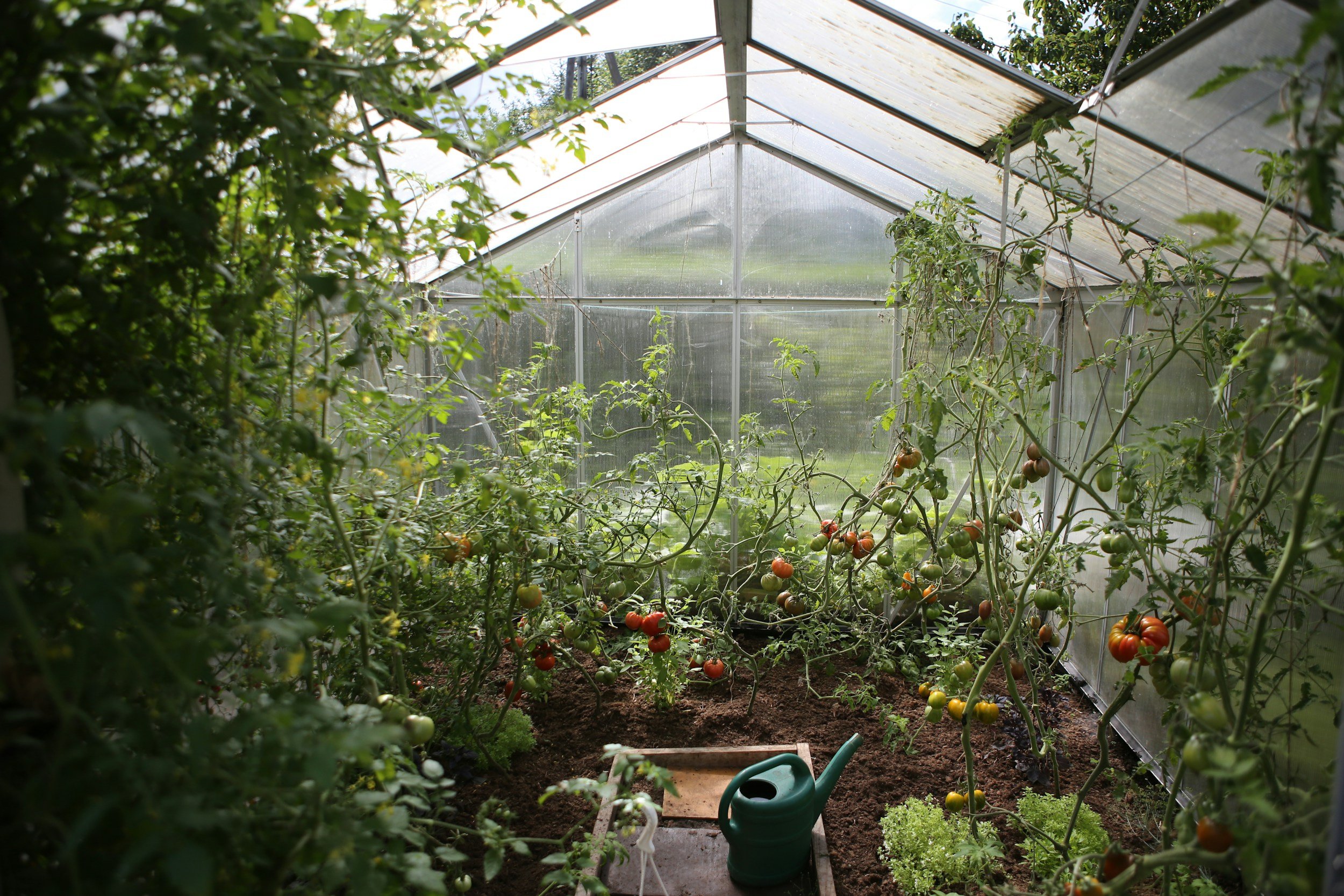
Specialists (Greenhouse, Kitchen Garden, or Orchard)
Estates with food production or plant collections may employ:
Greenhouse Technicians
Orchardists
Cut Flower Gardeners
Beekeepers or Compost Managers
These positions demand deep knowledge in propagation, pest control, seasonal food production, and climate control systems.
Tools, Equipment & Techniques
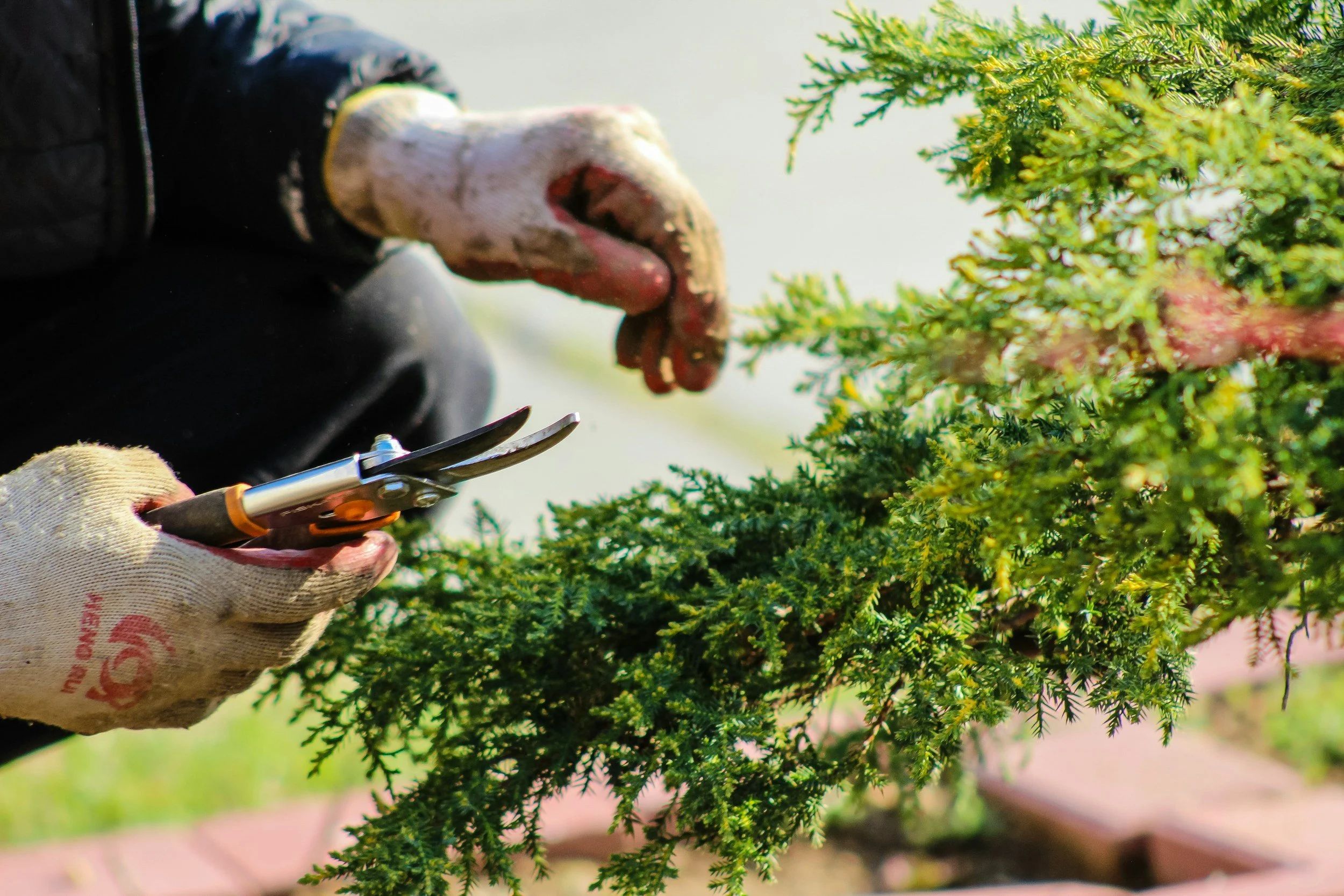
Unlike commercial landscape crews that focus on speed, private estate gardeners typically use high-end tools and equipment with an emphasis on refinement and precision. Expect to use:
Fine pruning shears (Felco, Okatsune)
Long-reach loppers and topiary shears
Professional-grade mowers and blowers
Composting systems and soil amendments
Battery-powered tools (increasingly preferred for quiet operation)
Mulch forks, edging tools, hori-hori knives
Advanced estates may also use automated irrigation systems, garden management software, and drone or satellite imagery for planning.
Skills and Training Requirements
Private estate gardeners are often expected to bring a blend of technical knowledge, discretion, and flexibility. Commonly required qualifications and skills include:
Horticulture certification or diploma (such as from a recognized college or RHS program)
Plant identification (trees, shrubs, perennials, annuals, invasive species)
Expertise in pruning techniques (formative, restorative, espalier, topiary)
Soil health and composting knowledge
Integrated Pest Management (IPM) and ecological care
Irrigation troubleshooting and seasonal adjustments
Familiarity with organic or sustainable landscape practices
Ability to work independently or as part of a team
High standard of personal presentation and conduct
On-site training is often provided, especially in cases where the garden has a specific design style (e.g., formal English garden, Japanese garden, xeriscape).
Seasonal Rhythms & Routine
One of the unique aspects of estate gardening is the seasonal rhythm. Tasks evolve throughout the year, but each season comes with its own focus:
Spring: Soil preparation, planting, pruning, irrigation start-up
Summer: Deadheading, mowing, pest monitoring, watering, harvests
Fall: Dividing perennials, leaf cleanup, composting, planting bulbs
Winter: Tool maintenance, pruning trees and vines, planning and ordering for spring
Year-round employment is common, especially on estates with greenhouses or indoor tropical collections.
Work Environment and Expectations
Working on a private estate is not just about gardening—it’s about upholding a level of excellence that aligns with the standards of a luxury property. Some things to keep in mind:
Discretion is key: You're often working in close proximity to homeowners or guests.
Presentation matters: Uniforms or clean work attire may be required.
Pride in detail: Expectations are often higher than in municipal or commercial settings.
Autonomy and trust: Gardeners are often given freedom to care for their areas but are expected to take full ownership.
Despite the high expectations, many gardeners enjoy the peaceful, consistent, and personally rewarding nature of estate work.
How to Get Started
If you're interested in private estate gardening, here are a few steps to help you break into the field:
Build a strong foundation in horticulture through education or apprenticeships.
Gain experience on public grounds, nurseries, or landscaping crews to develop a range of skills.
Consider specializing in an area like pruning, irrigation, organic gardening, or greenhouse care.
Apply through landscape staffing agencies or estate management companies.
Maintain a professional resume with references and a portfolio (if applicable).
Estate owners and managers are often looking for individuals who are not only skilled, but also passionate, trustworthy, and dependable.

Private estate gardening jobs offer a fulfilling and specialized path within the green industry. These roles blend horticultural skill with artistry and long-term care, allowing you to help shape and nurture unique landscapes that are often hidden gems.
Whether you're aiming to lead a team as a head gardener or immerse yourself in hands-on work within a well-designed garden, the world of private estate gardening offers opportunities for growth, creativity, and lasting satisfaction.
