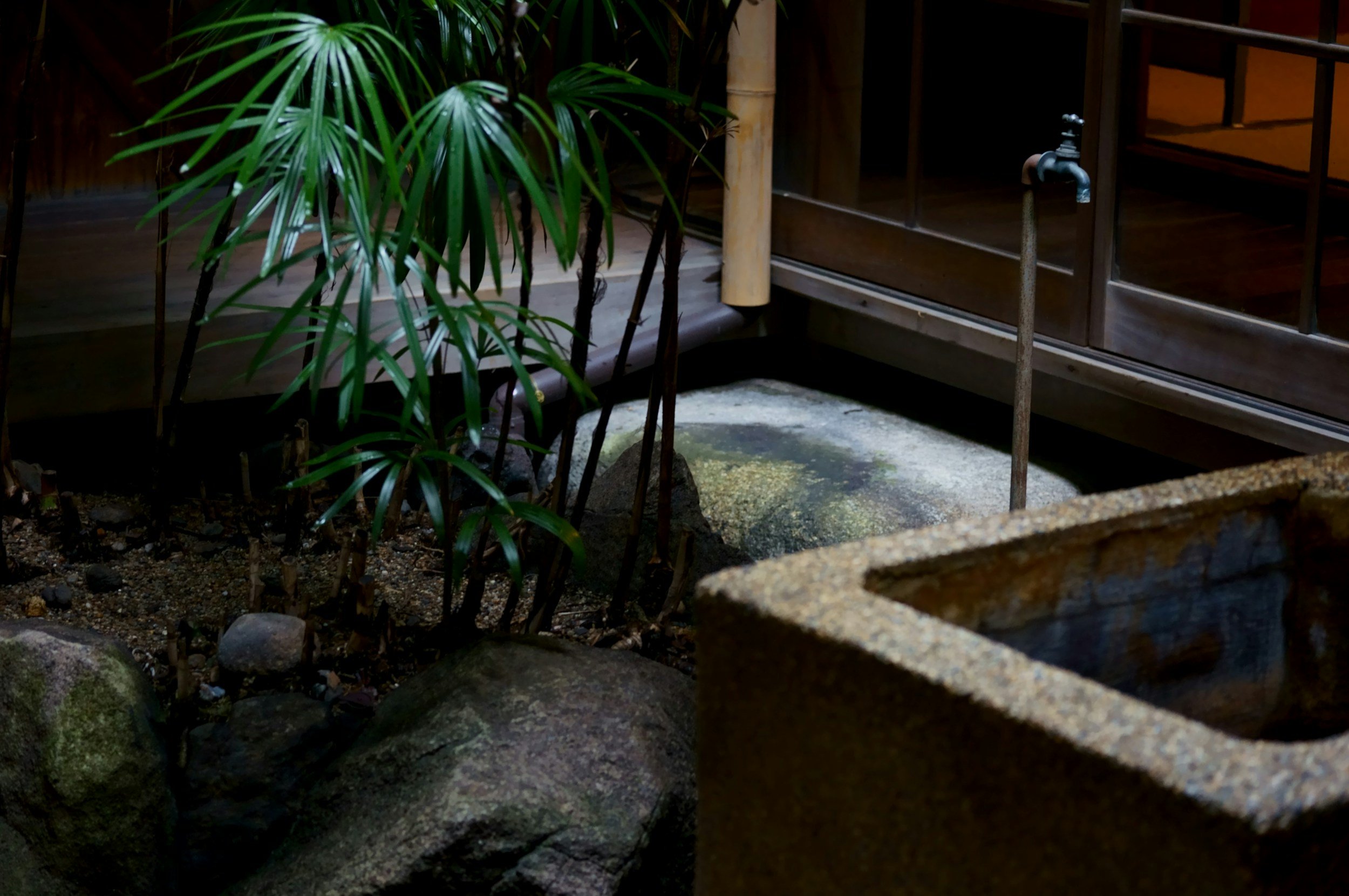
Japanese Onsen Designs: Bringing Japanese Spa Serenity to Your Backyard
Japanese onsens are more than hot springs; they are an essential part of Japan’s culture of relaxation, healing, and connection with nature. Traditionally located in regions with geothermal activity, onsens are designed to immerse bathers in warm mineral waters while surrounded by natural scenery. Re-creating this experience in your own backyard doesn’t require a volcano—it requires thoughtful design, natural materials, and an appreciation for simplicity and serenity. A Japanese onsen-inspired garden can transform an ordinary outdoor spa into a private sanctuary for renewal.
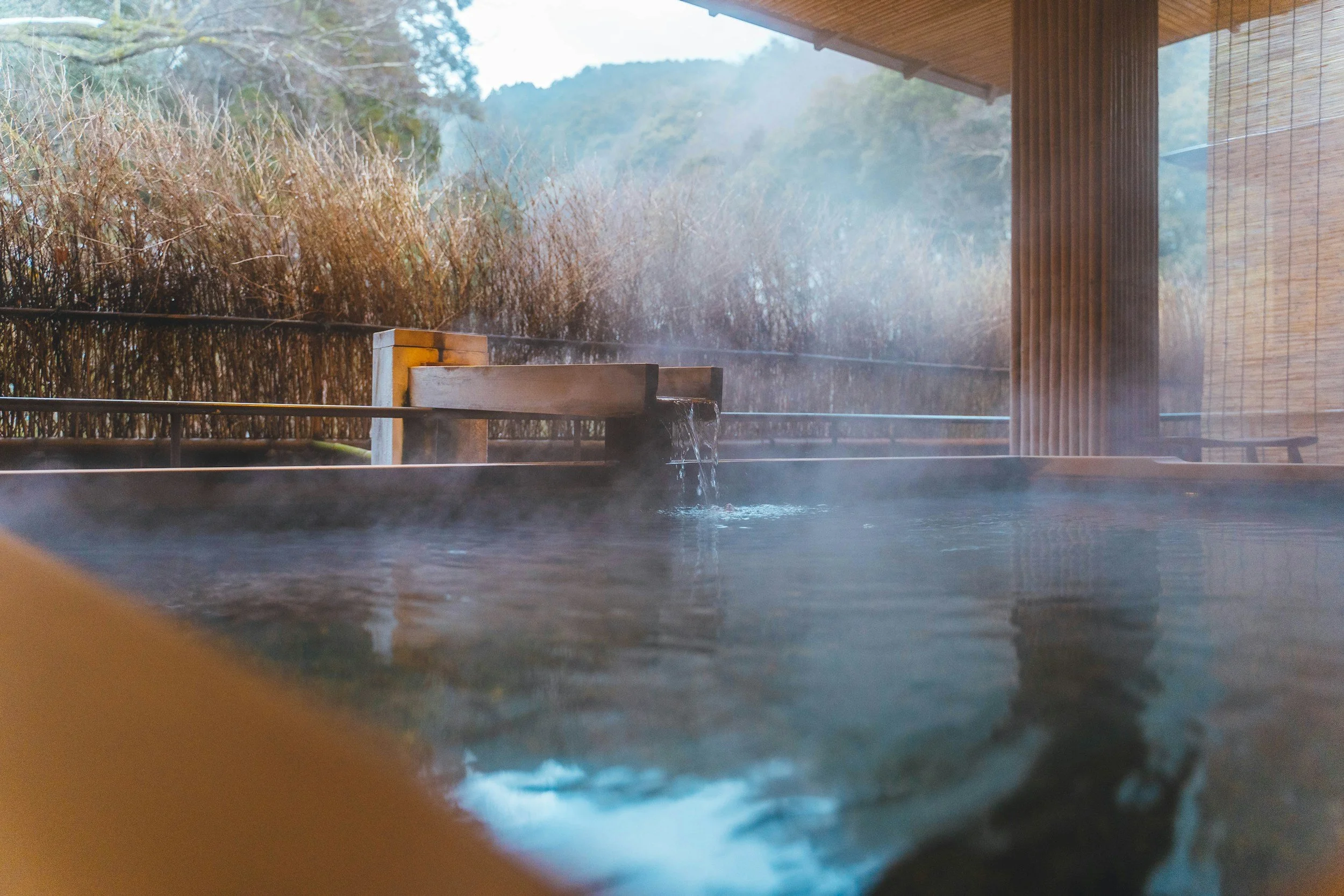
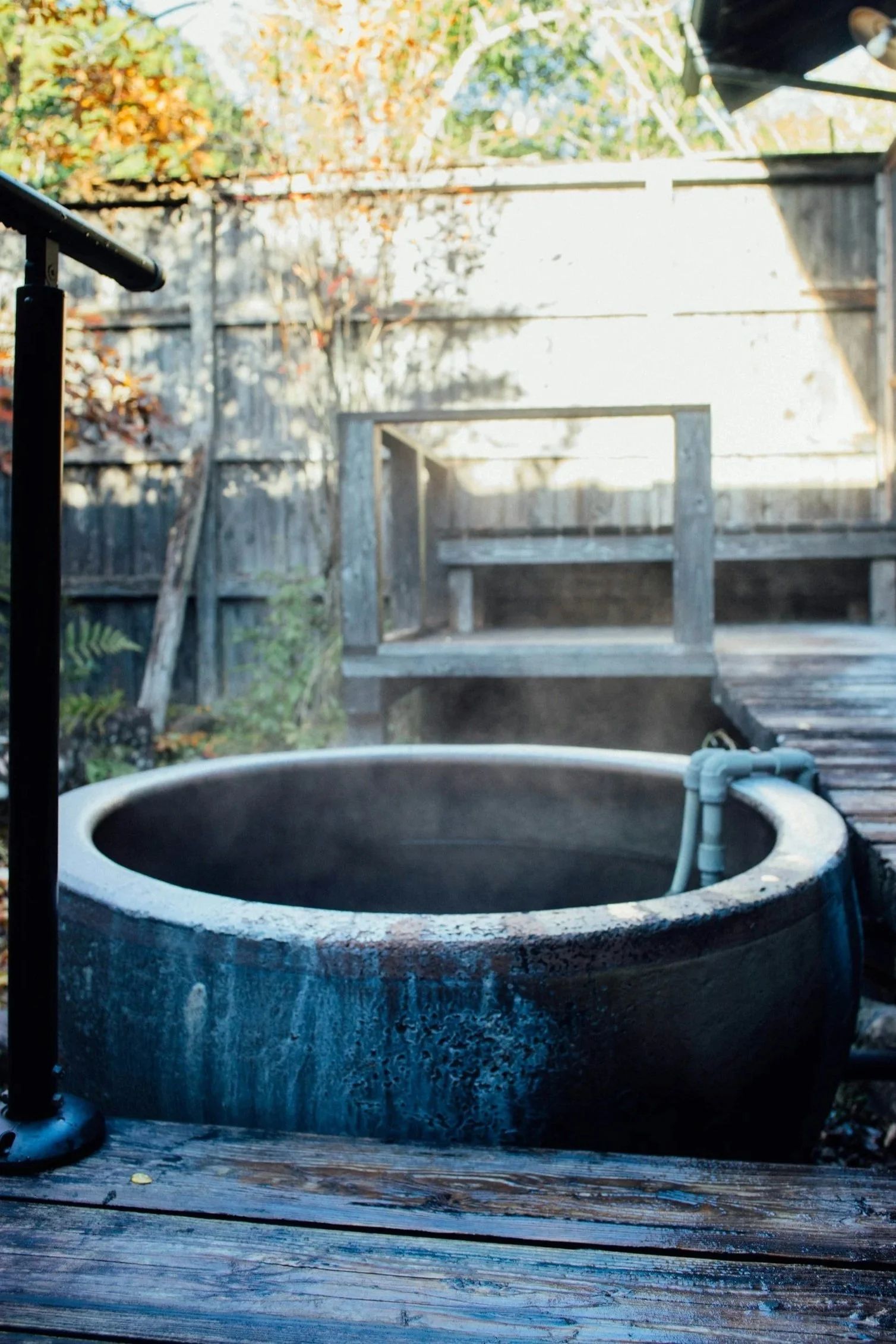
At the heart of onsen design is the relationship between water and nature. A hot tub or plunge pool can be seamlessly integrated into the landscape by surrounding it with natural stone, wood decking, or gravel that blends into the garden. Large boulders placed strategically around the water’s edge can make the spa feel like it emerges naturally from the earth. Incorporating gentle sounds, such as a bamboo water spout or a small stream feature, adds to the sensory immersion while masking outside noise.
Privacy and seclusion are also essential to the onsen experience. In Japan, many onsens are surrounded by mountains, bamboo forests, or screens of evergreen trees. In a backyard setting, tall plantings like bamboo, yew, or Japanese holly can provide the same effect, creating a living screen that blocks views while allowing filtered light. Wooden fencing, bamboo panels, or shoji-style screens can add to the sense of enclosure while staying true to Japanese aesthetics. The goal is to create a space where you can feel safe, hidden, and at peace.
Materials play an equally important role. Natural stone, weathered wood, and gravel pathways are staples of Japanese onsen design. Cedar or cypress decking offers warmth underfoot and connects the spa area with traditional Japanese architecture. Pathways of stepping stones leading to the water can set the stage for ritual, as every step builds anticipation for the experience ahead. Lanterns or soft, indirect lighting will help the space glow at night without disturbing its natural atmosphere.
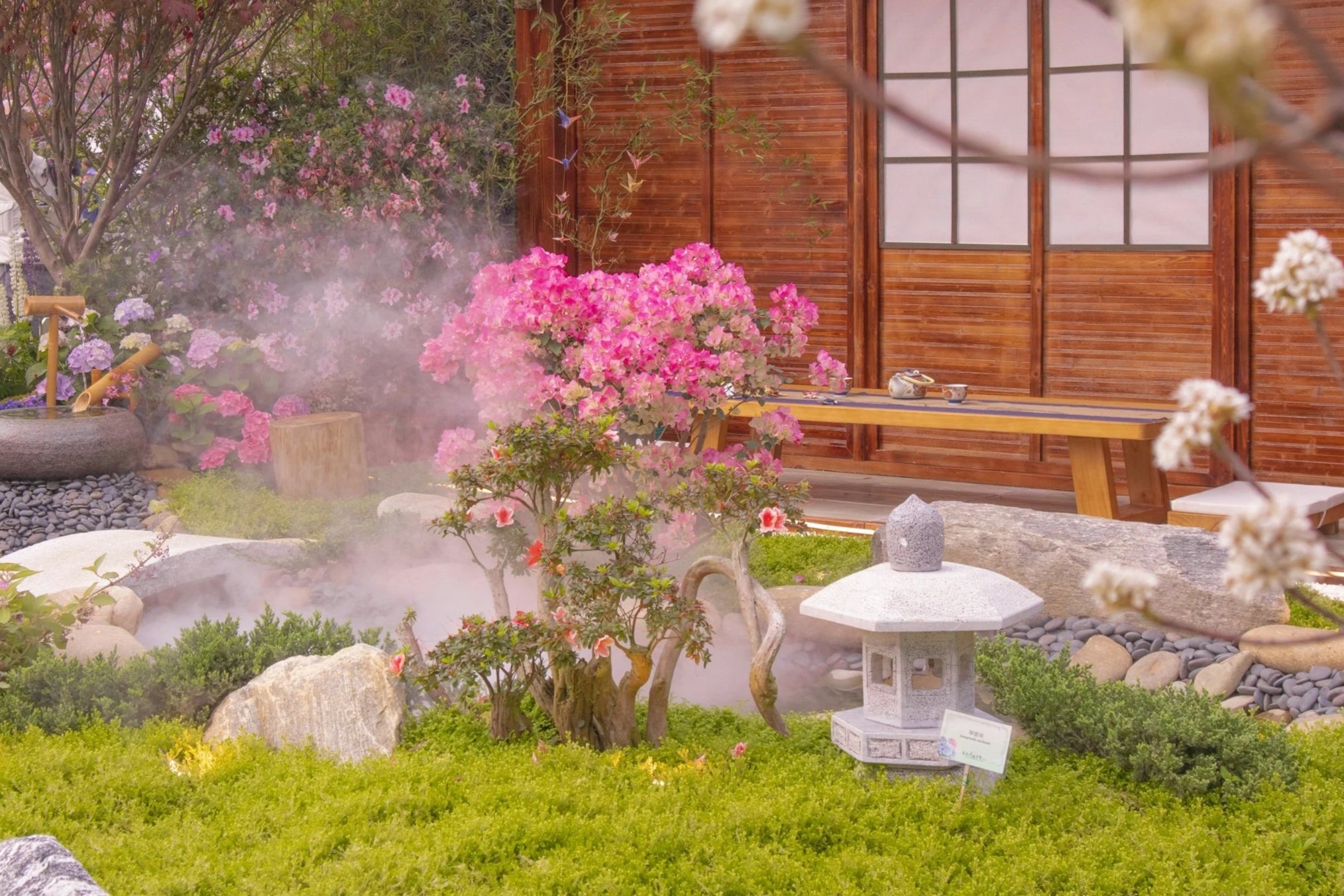
Plants complete the transformation, softening the edges of stone and wood with greenery. Japanese maples, bamboo, moss, and ferns provide seasonal interest and reinforce the sense of harmony with nature. Keeping the planting palette simple prevents the space from feeling cluttered and maintains the calm that defines Japanese gardens. Seasonal blossoms, like cherry or camellia, can add a touch of beauty that echoes the rhythm of the year.
Finally, the onsen experience is as much about ritual as it is about design. Consider adding a small entryway where you can pause before entering the water—perhaps a bench for removing shoes or a basin for rinsing hands, symbolizing the transition from everyday life to a more mindful state. The focus should always be on slowing down, embracing stillness, and enjoying the restorative qualities of warm water in a natural setting.
By combining water, natural materials, privacy, and a restrained planting scheme, you can bring the serenity of Japanese onsen design into your own backyard. The result is more than a spa; it is a retreat that nourishes body and spirit, echoing centuries of Japanese wellness traditions while perfectly tailored to your modern lifestyle.